Why and How Cocktail Bars Are Changing How India Drinks
Cocktails have been around in India for a long time. What feels different now is how seriously bars, bartenders, restaurants and drinkers are taking them. And once we started looking beyond the drinks themselves, the change turned out to be much bigger than we thought.
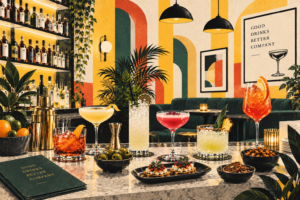
Spend enough time going to bars around Delhi-NCR and you start noticing things.
A Thai curry somehow becomes a tequila cocktail. A South Indian restaurant builds drinks around pandan, raw-mango brine and nannari. Another place gives barely 30 people a room with vinyl, cocktails and enough quiet to actually have a conversation.
We’d experienced some of this ourselves at AaBbCc and Room 304. What we wanted to know was whether these were simply a few interesting new places, or part of something larger.
Turns out, there’s quite a lot happening.
Delhi is a good place to start, but not where the story ends
Cocktails & Dreams Speakeasy opened in Gurugram in 2012, well before the current wave. Sidecar followed in GK2 in 2018 and became one of the places that pushed bartender-led drinking much further into public view.

The distinction mattered. You weren’t only choosing a spirit and telling someone how you wanted it served. House-made bitters, syrups, tinctures and extractions became part of the programme. Menus had ideas behind them. The bartender could influence what ended up in your glass.
Sidecar reached No.26 on the World’s 50 Best Bars list in 2022.
By 2025, nine of the 30 venues on the 30 Best Bars India list were from Delhi-NCR. Lair reached No.8 on Asia’s 50 Best Bars that year.
Then, in 2026, Delhi disappeared from Asia’s top 50 entirely. India’s three representatives were Boilermaker in Goa and Soka and Bar Spirit Forward in Bengaluru.
That makes the story more interesting, not less. This isn’t a neat Delhi success curve. Serious cocktail culture is developing across different Indian cities, and the professional bartending circuit shows the same spread.
Diageo’s World Class India competition received more than 800 entries in 2026. Its Top 100 included bartenders from Pune, Kochi, Coimbatore, Trivandrum, Indore and Dehradun alongside the usual metros.
The drinks themselves are getting harder to predict
Look through those World Class entries and you find jaggery, toasted rice, pandan, turmeric, coconut water, mushroom, mustard oil and black salt.
What’s interesting is that much of this experimentation still begins with familiar cocktail structures. Sours, Highballs and Old Fashioned-style drinks remain reference points. Bartenders are learning the classics, then finding increasingly Indian ways to play with them.
AaBbCc in Vasant Vihar takes that thinking particularly far. Its Yesterday, Today, Tomorrow menu becomes more experimental as you move through it.
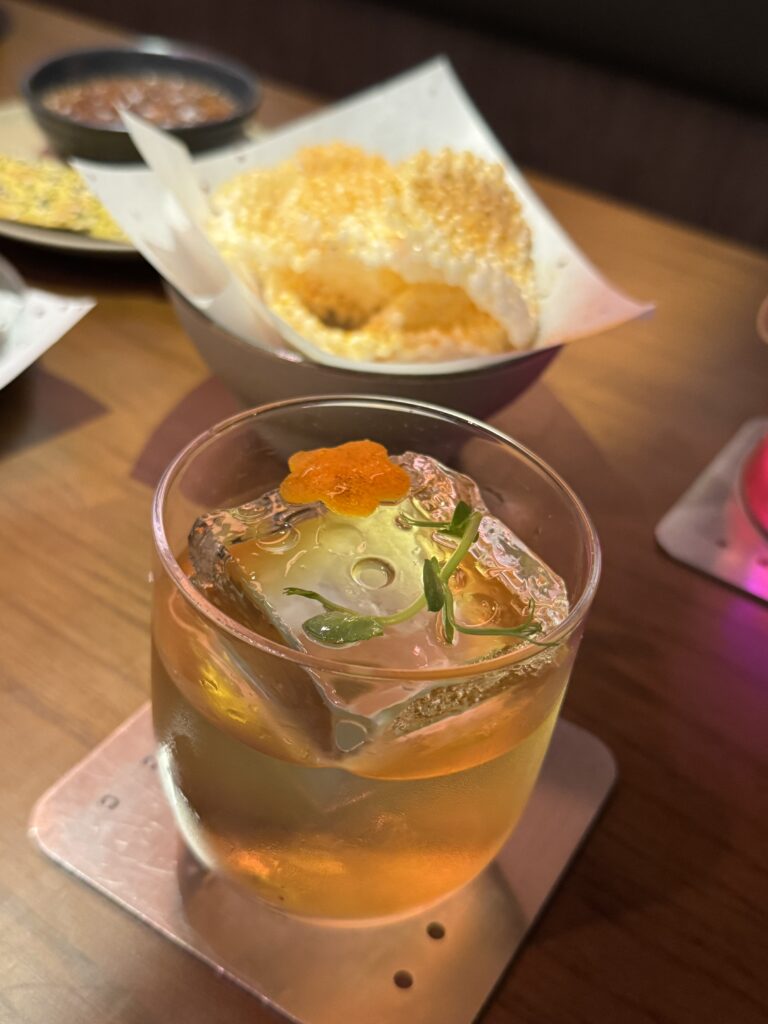
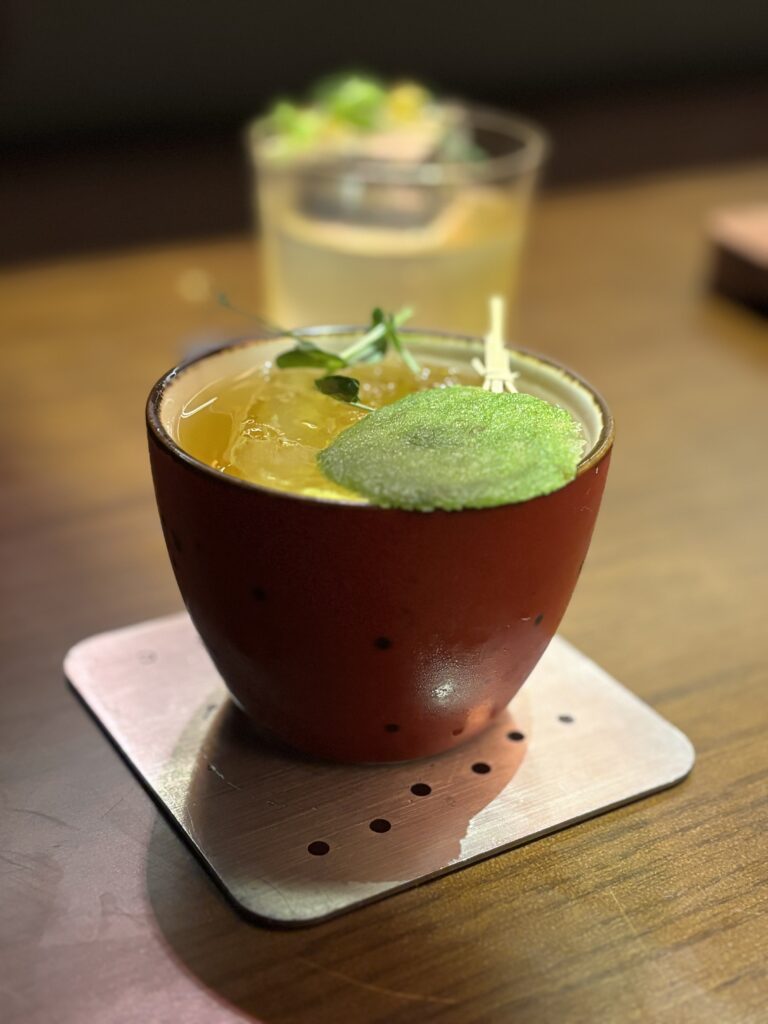
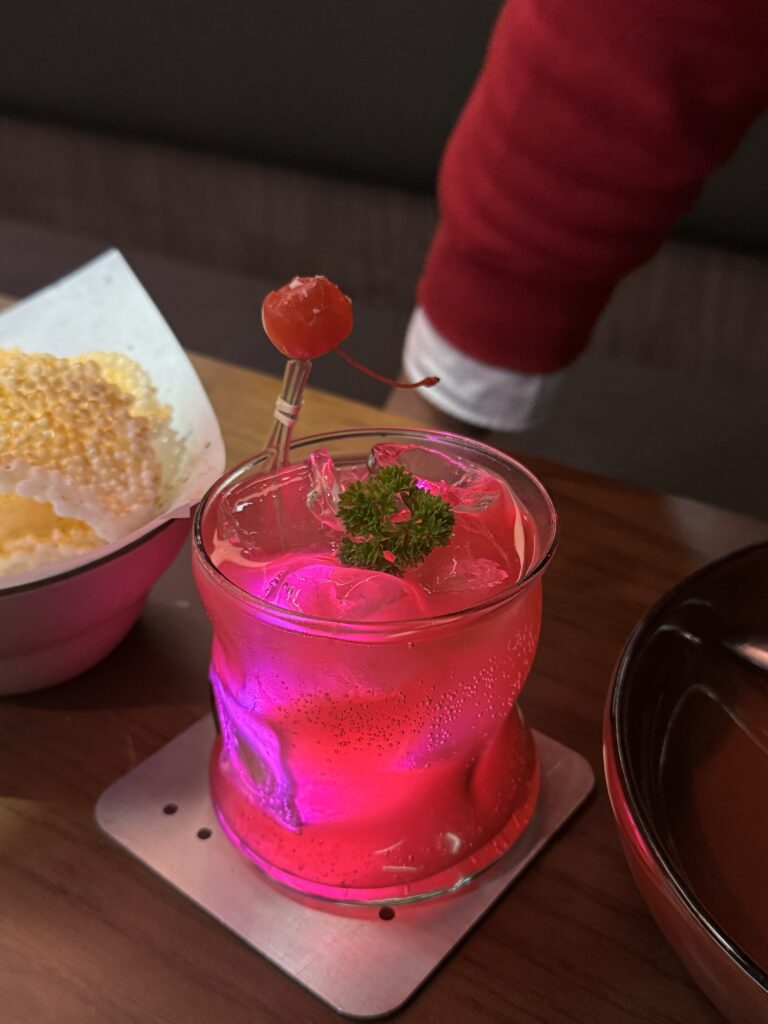
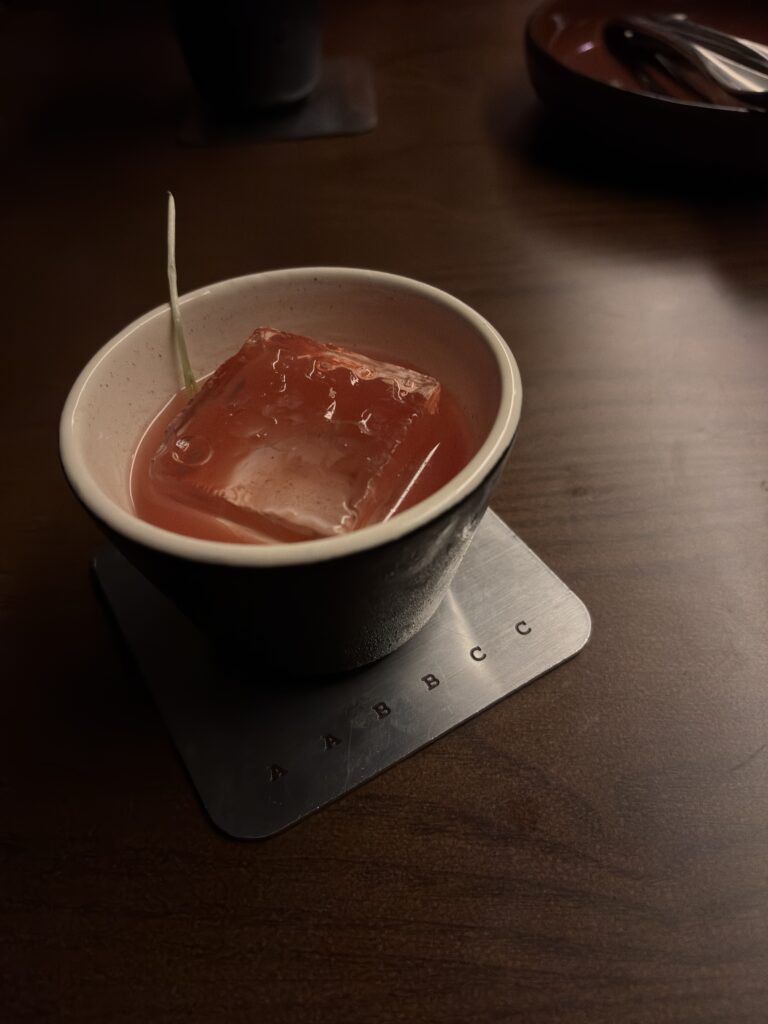
Where Is My Rice takes its cues from Thai curry and turns them into a tequila cocktail. Roll Me Up brings together toasted sushi-rice-infused tequila, ginger, honey, smoked seaweed whisky and soy-wasabi caviar.
When we visited AaBbCc, the unusual ingredients were obviously part of the fun. But there was something else we found more interesting: the menu assumes the person ordering is willing to play along.
That assumption probably wouldn’t work without changes on the other side of the bar.
We’re getting more curious about what we’re drinking
The Indian Express reported in 2026 on younger legal-age drinkers in Delhi, Mumbai and Bengaluru asking bartenders about ingredients, provenance and how cocktails were constructed. It also found greater interest in the experience around drinking and in pacing an evening rather than simply drinking for volume.
That’s reporting on a particular group of urban consumers, not a description of an entire generation. Still, it fits rather neatly with what these bars are offering.
Cocktails also make experimentation relatively easy. Someone doesn’t need to know what reposado means before trying tequila. They can start with something they already understand: mango, chilli, coffee, coconut, citrus or smoke.
A bartender can ask a much simpler question: What flavours do you like?
Sometimes the interest in the spirit comes afterwards.
That changes the bartender’s job too. Knowing recipes isn’t enough when you’re expected to understand someone’s preferences, explain unfamiliar ingredients and guide them towards a drink without making the whole interaction feel like a lecture.
Then the cocktails started turning up somewhere else
Nadoo isn’t a cocktail bar. It’s a South Indian restaurant.
Its drinks, though, make complete sense beside the food. Southern Tide uses pandan, charred coconut and burnt lime. Malabar Drift combines tequila and mezcal with fermented raw-mango brine, red rice, bird’s-eye chilli pickle and nannari. The kitchen and bar are speaking the same language.
A restaurant no longer has to treat its cocktail list as the page where the Mojito, Margarita and Cosmopolitan live. If the food has a point of view, the drinks can have one too.
And it works in the other direction. Cocktail-led places are paying more attention to what comes out of the kitchen because food, drinks and the room increasingly belong to the same night rather than operating as separate parts of it.
Even “going for drinks” doesn’t mean one thing anymore
The newer formats aren’t all trying to become mini nightclubs.
At Sidecar, the music has deliberately been kept in the background rather than becoming the main event. AaBbCc ends in the AMP Room, built around high-fidelity electronic music.
Room 304 goes smaller still: roughly 30 people, vinyl, cocktails and comfort food. Some of its drinks draw on the founders’ college memories in Agra, and that same looseness carries into food such as dal makhni nachos and guacamole sev puri.
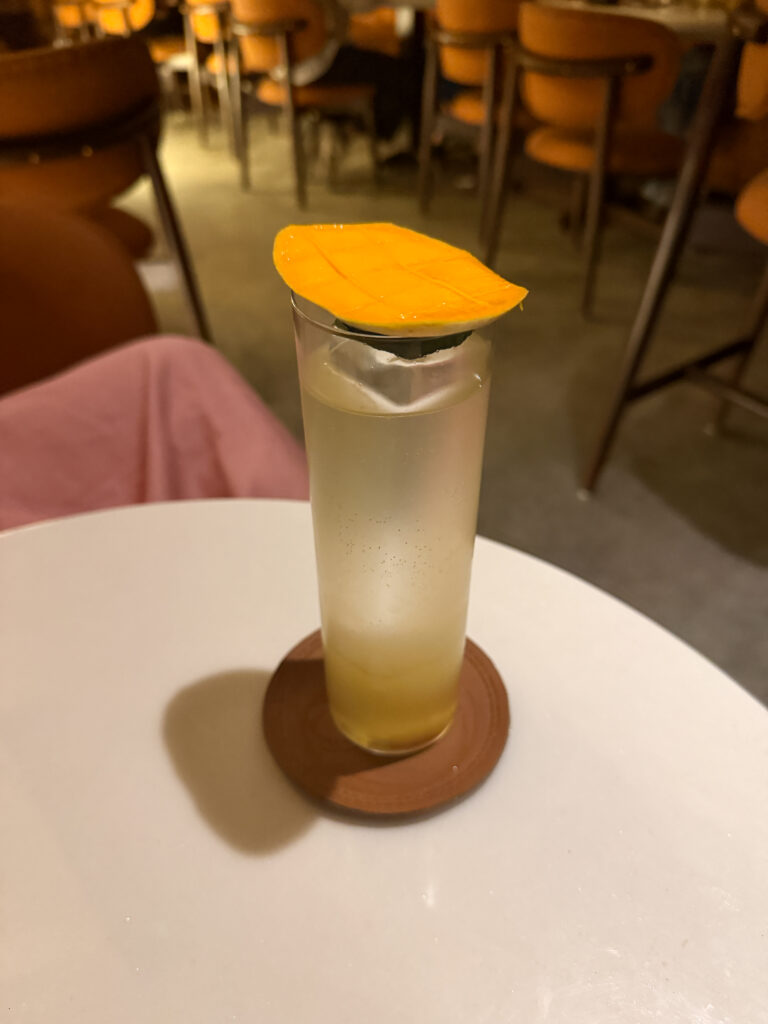
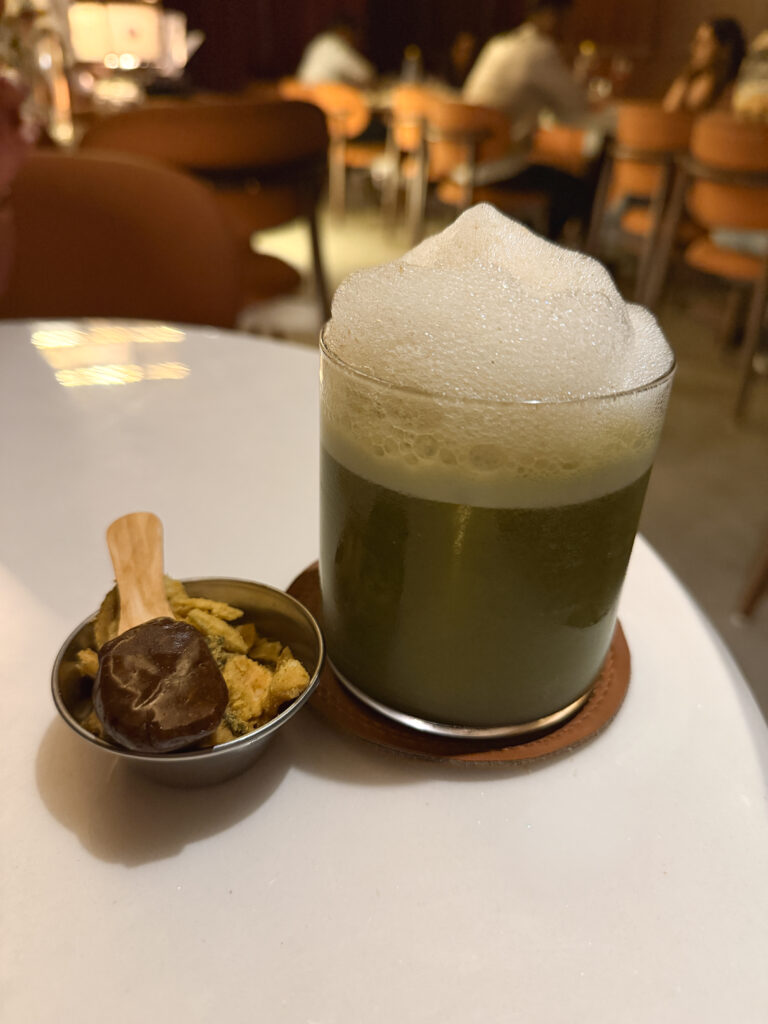
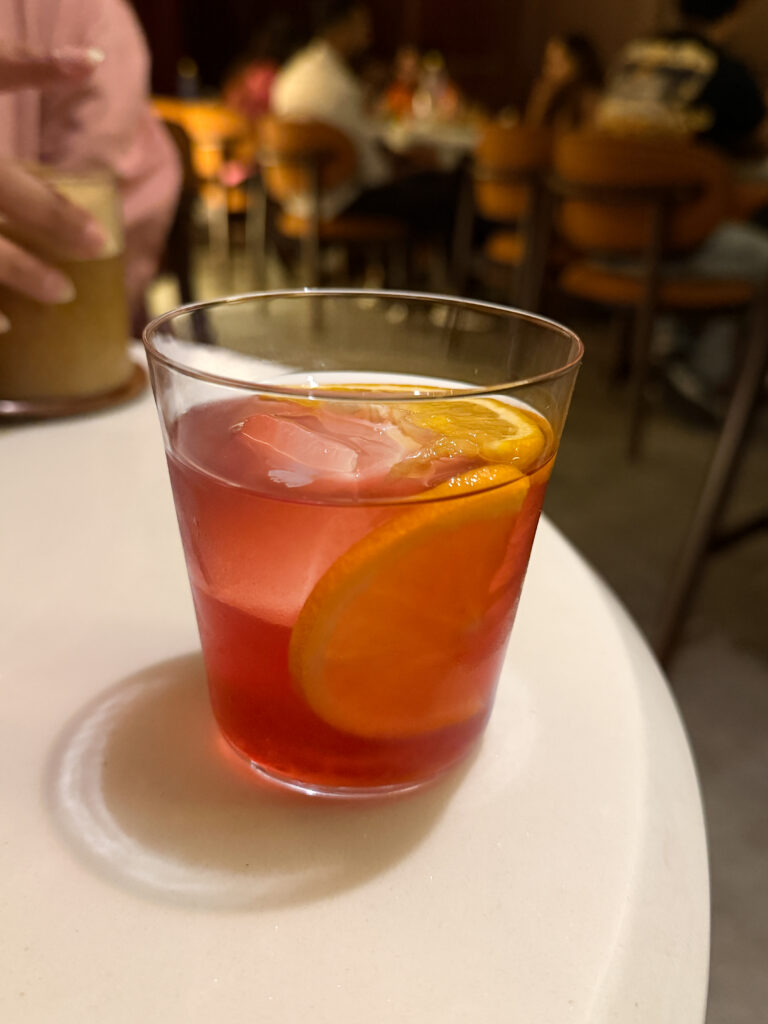
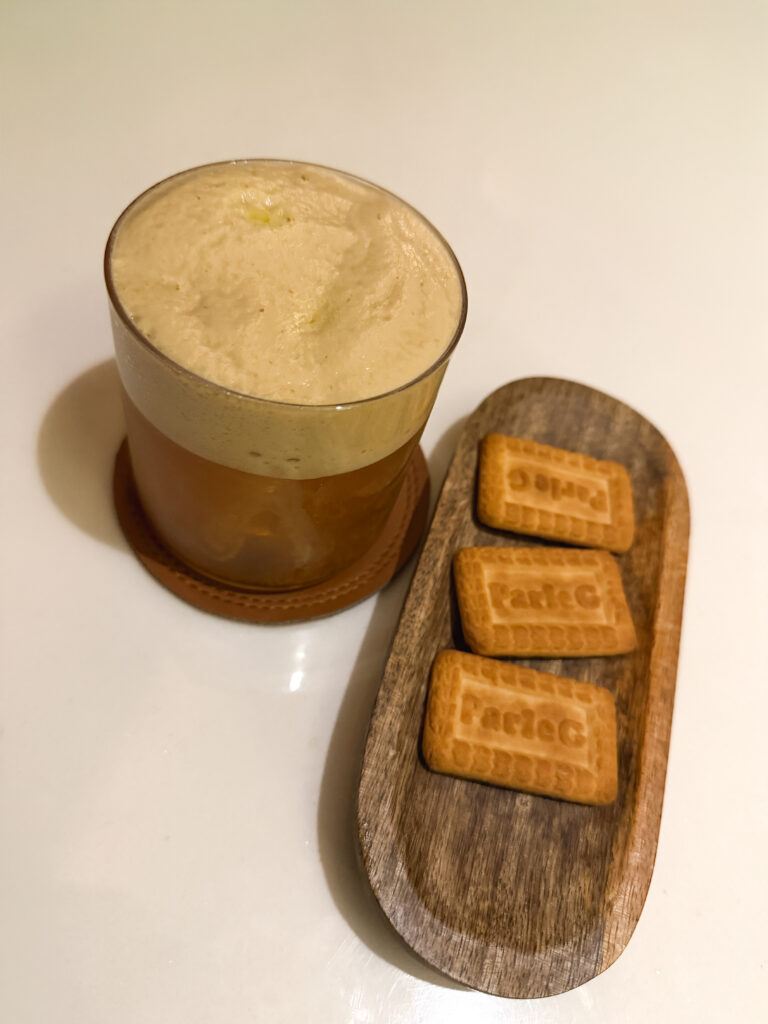
We’ve been to AaBbCc and Room 304. They aren’t particularly similar, which is exactly why they’re useful examples.
A night involving alcohol doesn’t automatically need deafening music, a huge room and a dance floor. Sometimes you want the music to matter. Sometimes you want the food to matter. Sometimes you’d just like to hear the person sitting across from you.
There are more places being built around those choices now.
Cocktail culture has made us pay more attention to what happens after it leaves the bottle.
Sometimes that’s toasted rice, pandan or raw-mango brine. Sometimes it’s a bartender introducing someone to a spirit they’ve never tried. Sometimes it’s simply finding a room where the music is good and you can still hear your friends.
We don’t think there’s one new Indian drinking culture replacing the old one.
There are just more ways to have a drink now.
Keep reading
Teeling Single Grain
Why India’s Alcohol Market Isn’t Really One Market
How to Taste Whisky Without Overcomplicating It
Frequently asked questions
What does “speakeasy” mean when describing a modern cocktail bar?
Historically, speakeasies were illicit drinking establishments associated particularly with US Prohibition. Today, the term is often used much more loosely for bars built around hidden entrances, discreet locations, intimate rooms or a sense of discovery, without implying that the bar itself is illegal.
Do you need to know cocktails to order at a cocktail bar?
Not at all. A good starting point is simply telling the bartender what flavours you enjoy, what spirits you normally drink and whether you want something refreshing, fruity, bitter, spirit-forward or somewhere in between. Part of modern cocktail service is helping you find the drink rather than expecting you to already know it.
Is India’s cocktail-bar scene limited to Delhi, Mumbai and Bengaluru?
No. The biggest metros remain important, but serious bartending is increasingly visible beyond them. Diageo’s 2026 World Class Top 100 included strong representation from cities such as Pune, Kochi, Coimbatore, Trivandrum, Indore and Dehradun, suggesting the professional cocktail scene is spreading well beyond the traditional metro circuit.
Are younger Indians actually drinking less alcohol?
The picture is more complicated than that. Indian Express reporting in 2026 found younger legal-age drinkers who were still drinking alcohol but showing greater interest in cocktails, ingredients, provenance and pacing their consumption. That’s evidence of changing behaviour among the urban consumers interviewed, not proof that an entire generation drinks more or less.
What does “spirit-forward” mean on a cocktail menu?
A spirit-forward cocktail puts the base spirit at the centre of the drink rather than heavily diluting or masking it with mixers. Drinks such as the Old Fashioned and Manhattan are classic examples, although modern bars often build their own variations around the same idea.
What is the difference between a cocktail and a mocktail?
A cocktail contains alcohol, a mocktail does not. Both can use similar techniques and ingredients like juices, syrups, bitters, herbs, spices or infusions but a mocktail is designed to deliver the experience of a mixed drink without the alcoholic spirit.